
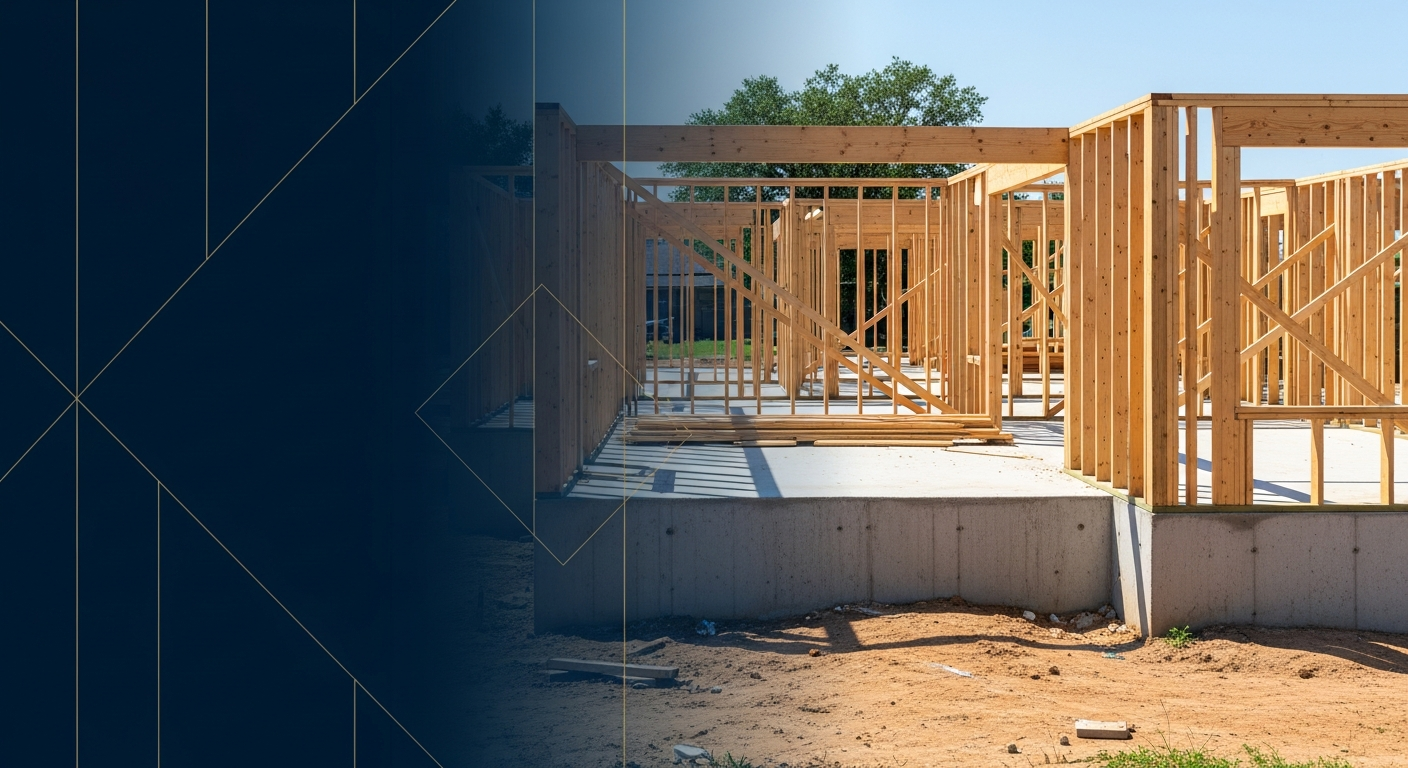
When you walk into a brand-new model home in Oklahoma City or El Reno, it's easy to get swept away by the "new house smell," the pristine quartz countertops, and the trendy open floor plan. Everything looks perfect. But after spending over a decade as a construction superintendent and property manager — overseeing $50M+ in transactions and watching hundreds of homes rise from the red dirt — I can tell you one thing: Curb appeal is often a mask.
Most buyers look at the paint colors; I look at the slab. Most agents check the closet space; I check the wind straps and the HVAC ducting.
Buying a new construction home is one of the smartest investments you can make, but only if you know what's happening behind the drywall. In Oklahoma, our climate and soil are notoriously "violent" to buildings. If your builder didn't account for our expansive clay or our 80mph straight-line winds, that "perfect" home will start showing its true colors within three years.
Here is what 10 years in the dirt taught me about spotting real quality in an OKC new build.
1. The Red Clay Challenge: It Starts in the Dirt
In Central Oklahoma, we deal with expansive red clay. This soil is like a sponge — it swells up to 10% when it rains and shrinks dramatically during our hot, dry summers. This constant "breathing" of the earth is the number one cause of foundation failure in our region.
When I'm walking a site with a client, I'm not just looking at the house; I'm looking at the grading.
- The Superintendent's Secret: Does the lot have a positive slope away from the foundation on all sides? If the builder didn't spend the time to properly compact the pad or ensure water sheds away from the house, you're looking at future "stairstep" cracks in your brick and doors that won't shut.
- What to Look For: Check the perimeter of the slab. Do you see "honeycombing" (voids in the concrete)? Is there a clear drainage plan? A quality builder doesn't just pour concrete; they manage the water.
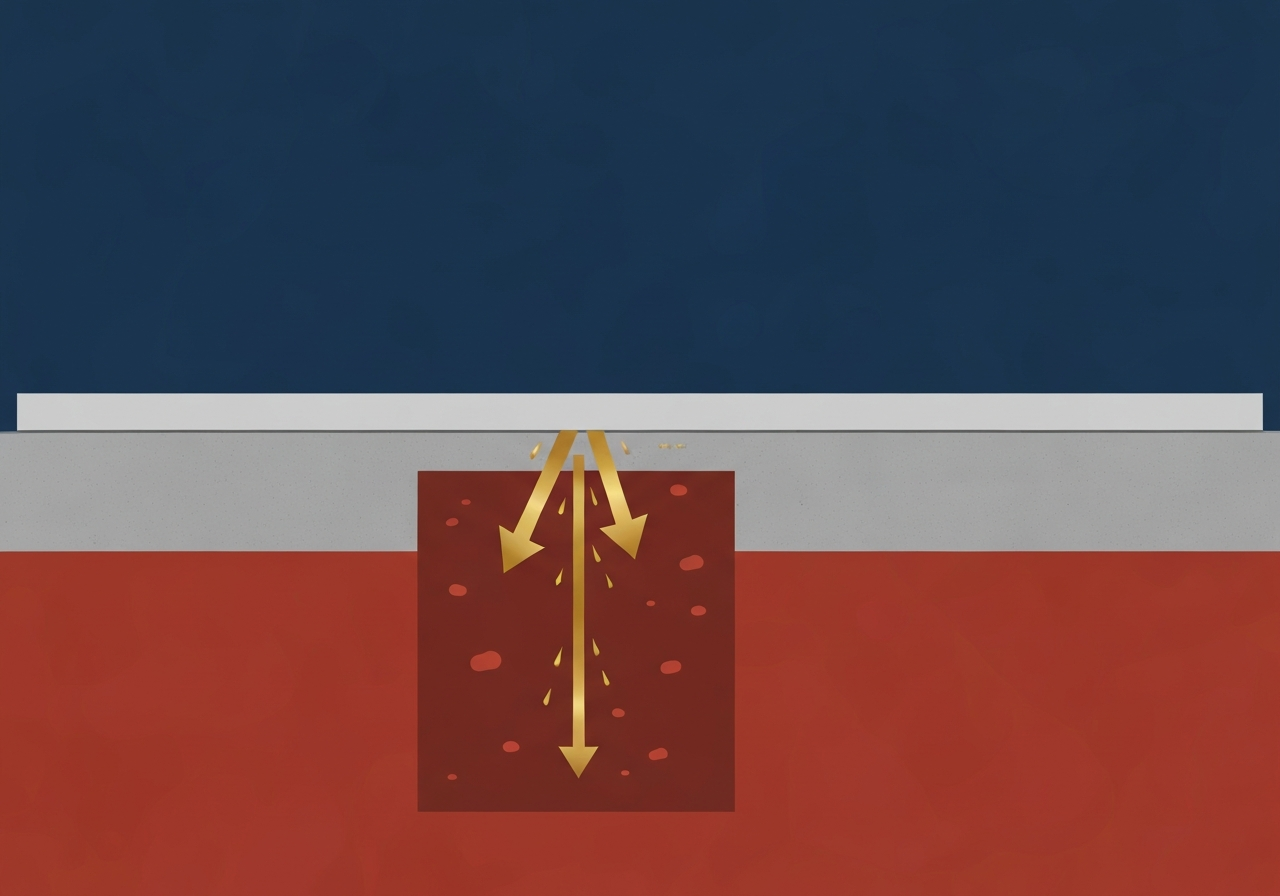
Proper drainage design is critical on Oklahoma's expansive red clay soils.
2. Framing: The Skeleton of the Home
Once the walls go up, you can see the "bones." This is where many builders cut corners to save on lumber costs. In Oklahoma, framing isn't just about holding up the roof; it's about resisting wind loads.
As a former superintendent, I look for hardware.
- Wind Straps & Hurricane Ties: Are there metal straps connecting the rafters to the wall studs? In "Tornado Alley," these are non-negotiable for long-term structural integrity.
- Load Paths: I look for "stacking." Ideally, the studs of the second floor should line up directly over the studs of the first floor to transfer weight directly to the foundation. When things are "sistering" or offset, it leads to floor squeaks and drywall cracks later on.
3. The Pre-Drywall "Holy Grail"
If you are buying a home that is currently under construction, the Pre-Drywall Inspection is the most important hour of your life. Once the sheetrock is up, the "sins" of the trades are hidden forever.
During my time managing builds, this was the phase where I'd catch the most issues.
- Electrical & Plumbing: Are the wires neatly pulled, or is it a "rat's nest"? Neat wiring usually indicates a trade partner who takes pride in their work.
- HVAC Ducting: Are the ducts kinked? Are they sealed with mastic (that grey goop) at every joint? Leaky ducts in an unconditioned attic will cost you thousands in utility bills over the next decade.
- The Insulation Seal: I look for "expanding foam" around every single wire or pipe penetration that goes through the top plate of the wall. If you can see light coming from the attic, you're losing money.
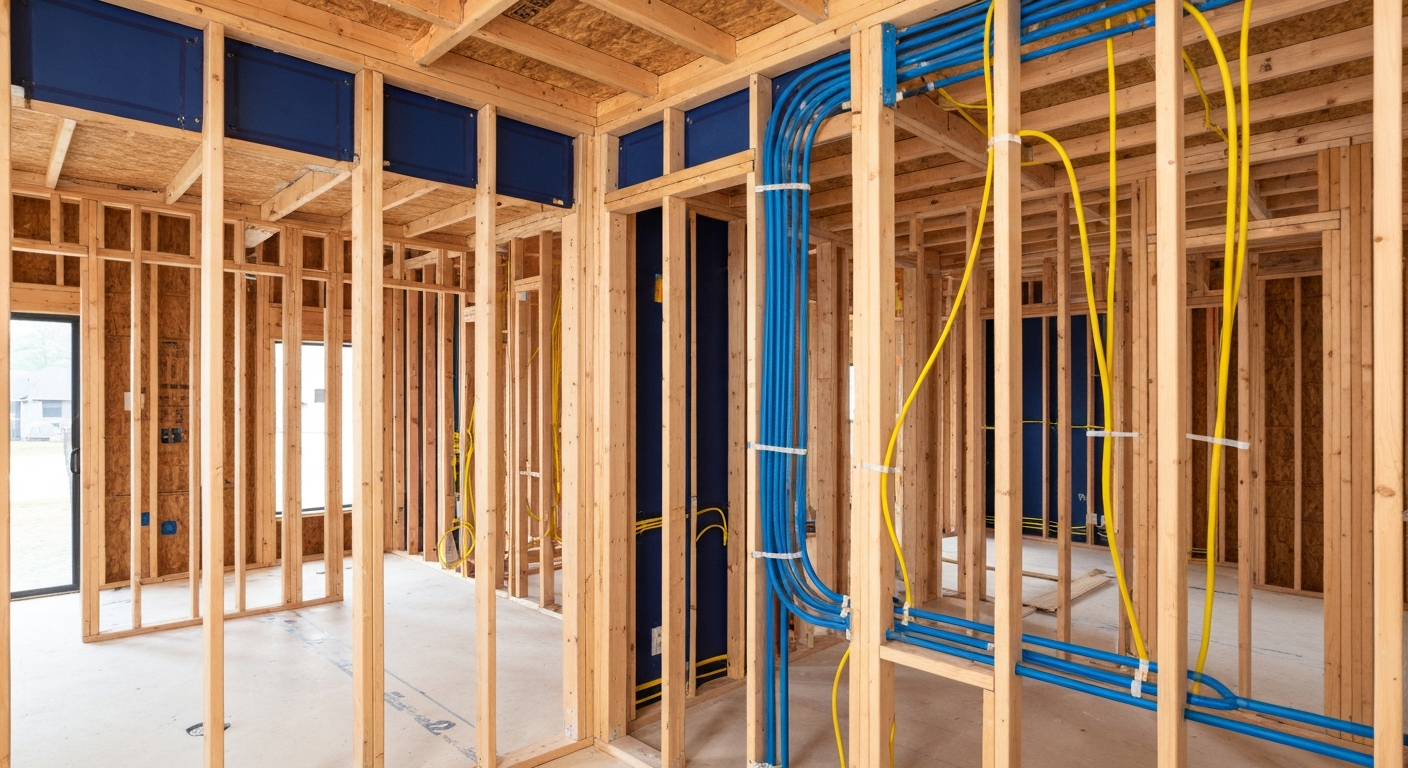
The pre-drywall phase is your best — and only — opportunity to inspect the mechanical systems.
4. Fit and Finish: Spotting "Lipstick on a Pig"
Eventually, the house gets its "makeup." This is the finish work — trim, paint, cabinets, and flooring. While these are cosmetic, they are often a direct reflection of the builder's overall standards.
- Cabinetry: Are they real wood boxes or MDF (particle board)? Check the hinges. Are they soft-close? A builder who spends the extra $500 on quality hardware usually didn't skimp on the foundation, either.
- The "Reveal": Look at the gaps between the trim and the floor, or the door and the frame. Are the lines perfectly straight (uniform "reveals")? If the trim work is sloppy, it's a sign that the superintendent wasn't holding the subcontractors to a high standard.
- Paint Quality: Look at the walls at an angle against the light. Do you see "flashing" (uneven sheen) or "drywall scars"? Quality builders use a level 4 or 5 finish; budget builders do a quick "spray and pray."
5. The Warranty: Your Post-Closing Insurance
Every new home comes with a warranty, but not all warranties are created equal. Most offer a "1-2-10" warranty: 1 year for workmanship, 2 years for systems (plumbing/HVAC), and 10 years for structural.
However, the real value is in the Builder's Reputation. As someone who has managed these systems, I know which builders in OKC actually show up six months later when a nail pop appears, and which ones disappear the moment the check clears.
When we work together, I don't just help you find a house; I help you vet the builder's "punch list" history. I know the crews. I know who uses the best siding installers and who uses the cheapest labor.
Why You Need a Realtor Who Knows Construction
Most real estate agents are great at marketing, but they couldn't tell you the difference between a load-bearing beam and a decorative one. When you're buying new construction, the builder's sales agent works for the builder, not you.
My unique advantage is my Builder's Perspective. I've stood in the mud, I've argued with inspectors, and I've managed the very people building your home. I know where the bodies are buried — metaphorically speaking!
Whether you're looking in the heart of OKC or the growing outskirts of El Reno, you deserve someone who can look past the staging furniture and tell you if the house is actually built to last.
The 5-Point "Builder-Certified" Checklist
Before you sign that contract, ask yourself:
- Has the soil been treated or tested for expansion?
- Is there a third-party inspection scheduled for the pre-drywall phase?
- What is the SEER rating on the HVAC (and is it sized correctly for the square footage)?
- Are the windows double-paned with Low-E glass (essential for OK summers)?
- Does the builder have a dedicated warranty department, or just a cell phone number?
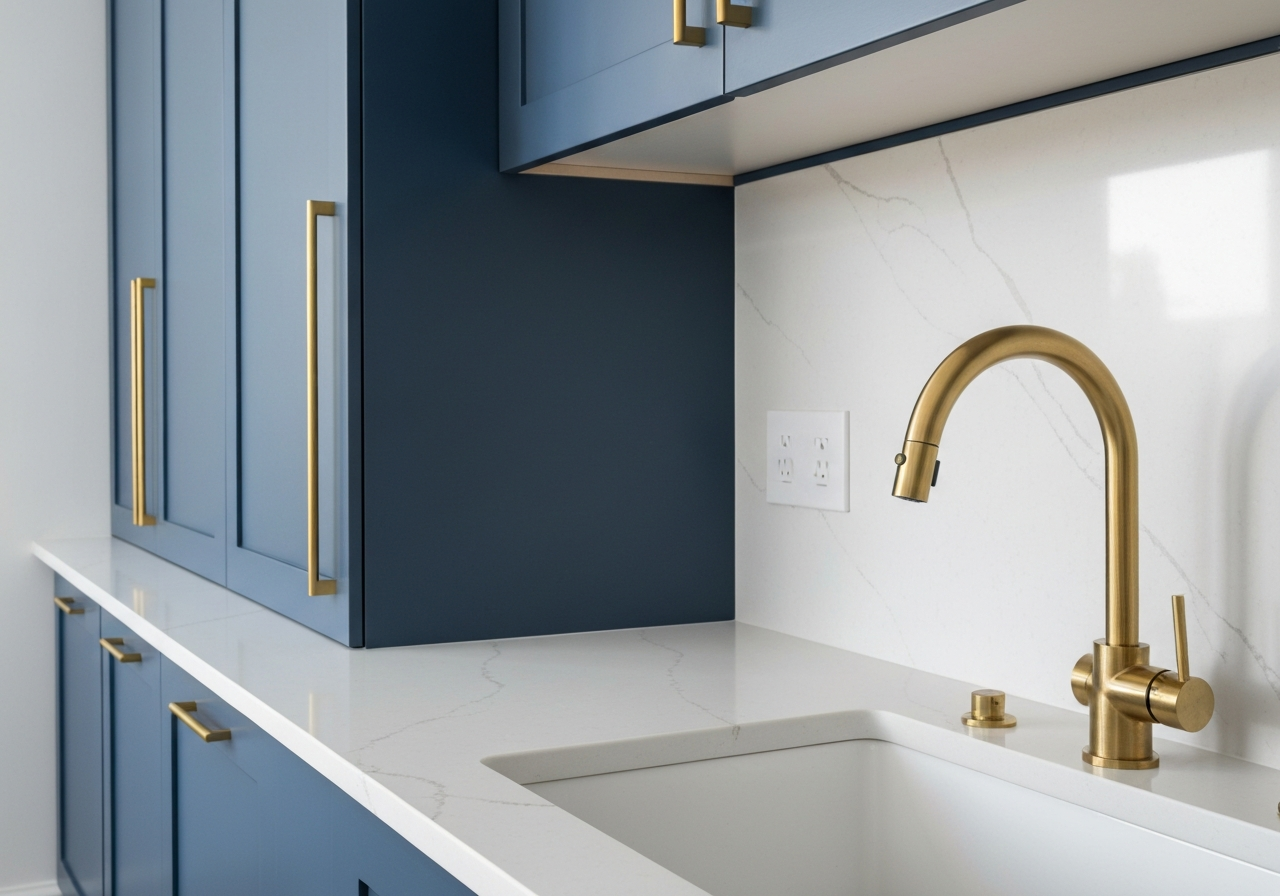
Quality finish work is a tell-tale sign of a builder who doesn't cut corners elsewhere.
Ready to Find a Home That's Built, Not Just Sold?
Don't walk into a construction site alone. Leverage my 10+ years of experience as a superintendent to ensure your next investment is a fortress, not a fixer-upper in disguise.
I help my clients find quality homes and investments by looking at what really matters: the structural integrity and long-term value.
Let's go find your new home.
Steven Spencer is a licensed Realtor and CBI Certified Marketing & Business Growth Expert. With over $50M in transactions and a decade of experience in construction and property management, he provides a unique, "builder's eye" to the Oklahoma real estate market.